Winter · Canada
Frozen pipes: how to prevent them, thaw them, and what to do if one bursts
Last updated October 2026 · 5 min read
A frozen pipe rarely splits where the ice is. Water expands about 9 % as it freezes, and the ice plug pushes pressure toward the closed tap at the end of the line, so the break often happens somewhere you can't see. Worse, you usually find out when it thaws and starts flowing. A few habits in a cold snap prevent most of it, and knowing where your main shut-off is limits the rest.
Get reminded before this is due
Homeniac builds a maintenance plan for your home and reminds you before each job is due. Free to start, no card.
Where pipes freeze first
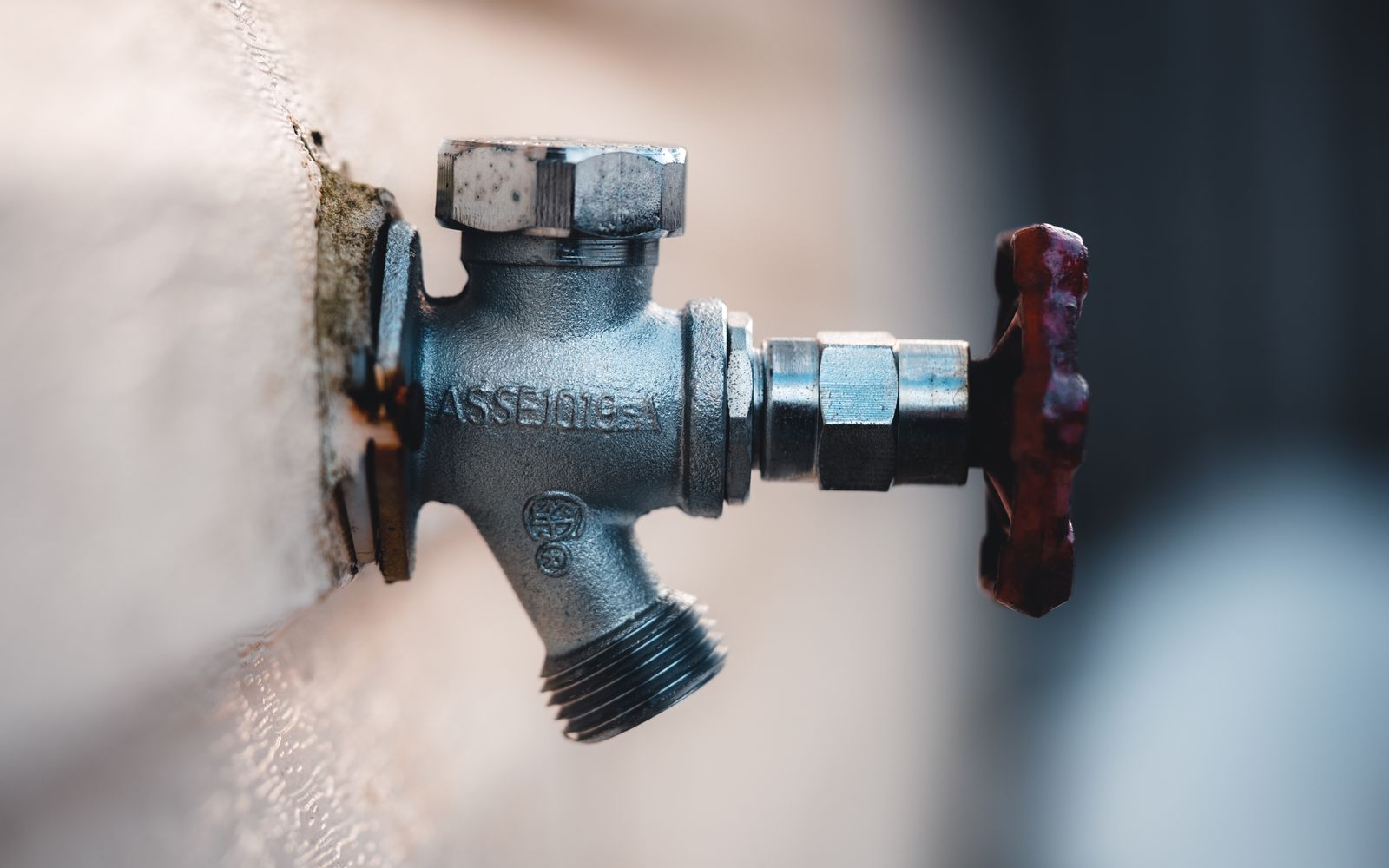
Pipes in heated rooms almost never freeze. The trouble spots are the cold edges of the house: supply lines in exterior walls, pipes under sinks on outside walls, lines along the rim joist where the floor meets the foundation, crawl spaces, attached garages, and any room where the heat is turned off. Outdoor faucets with a hose still attached are a classic (see the outdoor faucet guide).
Prevention in a cold snap
When the forecast drops into deep cold, these are the steps that matter:
- Keep the heat steady. Skip deep night-time setbacks during the coldest stretch, and keep the heat on in every room with plumbing.
- Open cabinet doors. Under kitchen and bathroom sinks on outside walls, so room heat reaches the pipes.
- Let a cold tap trickle. On the faucet farthest from where the water enters the house, or the one fed by the most exposed pipe. Moving water is slower to freeze, and an open tap relieves pressure if it does.
- Close the garage door. If any water lines run through an attached garage.
- Insulate exposed pipes. Foam pipe sleeves are inexpensive and take minutes in a basement or crawl space. Seal drafts around the rim joist where pipes run close to it. For a line that freezes every year, certified heat cable installed to the maker's instructions is the next step.
Going away in winter: the insurance rule
According to the Insurance Bureau of Canada, standard home policies generally cover damage from frozen and burst pipes when reasonable steps were taken to keep the heat on. Being away during the heating season changes that: many policies require someone to check the home regularly, often daily, while you're gone, or exclude freezing damage altogether when the home is vacant.
Away more than four days? The Insurance Bureau of Canada suggests having someone check daily that the heat is on, or shutting off the water and draining the pipes before you leave. Your policy's freezing clause sets the exact rule, so read it before the trip.
Thawing a frozen pipe safely
The signs: a tap that gives a trickle or nothing while others work, frost on an exposed pipe, or a pipe that looks bulged. Before you start, find the main water shut-off (usually where the supply line enters the house, often near the meter) in case the thawed pipe turns out to be split.
- Open the affected tap. Flowing water helps melt the plug and gives the pressure somewhere to go.
- Warm the pipe gently. Use a hair dryer, a heating pad, or towels soaked in hot water, starting near the tap and working back toward the frozen section. Stay with it the whole time.
- Never use an open flame. No torches, propane heaters or barbecues: they start fires inside walls and produce carbon monoxide indoors.
- Call a plumber if you can't reach it. A frozen section inside a finished wall or ceiling, or one you can't locate, is a job for a professional.
If a pipe bursts: the first ten minutes
Shut the main water valve first, then open the lowest taps in the house to drain what's left in the lines. If water is near outlets, fixtures or the electrical panel, don't walk through it to reach the panel; call your electric utility or an electrician. Move belongings out of the water, take photos and video before you clean up, and call your insurer and a plumber. Start drying right away: wet drywall, insulation and flooring can start growing mould within a day or two.
Common questions
Probably, but check for a day or two. A hairline split can drip slowly inside a wall. Look for damp spots, stains or a water meter that moves when every tap is off. A pipe that froze once will freeze again in the same conditions, so insulate it or fix the draft before the next cold snap.
Yes, for two reasons: moving water is slower to freeze, and if the line freezes anyway, the open tap gives the pressure an exit so the pipe is less likely to split. A thin, steady trickle of cold water is enough.
Usually where the water line comes through the foundation, often in the basement on the street side of the house, near the water meter. Find it, make sure it turns, and tag it before you need it. In some homes it's in a crawl space or utility room instead.
Get a maintenance plan built for your home
One cold snap in Western Canada in January 2024 caused over $180 million in insured damage, according to the Insurance Bureau of Canada. Homeniac alerts you when Environment Canada forecasts the first freeze or issues an extreme cold warning for your city, so the prep happens before the pipes freeze, not after.
Start freeShopping for home insurance?
Homeniac users get a $20 account credit when they choose Square One. Available in BC, Alberta, Saskatchewan and Ontario.
Partner offer. Homeniac may earn a commission.